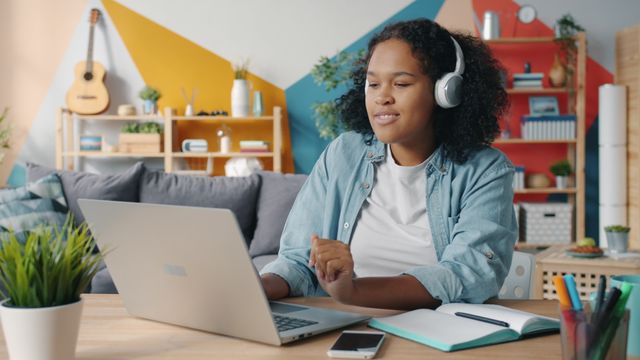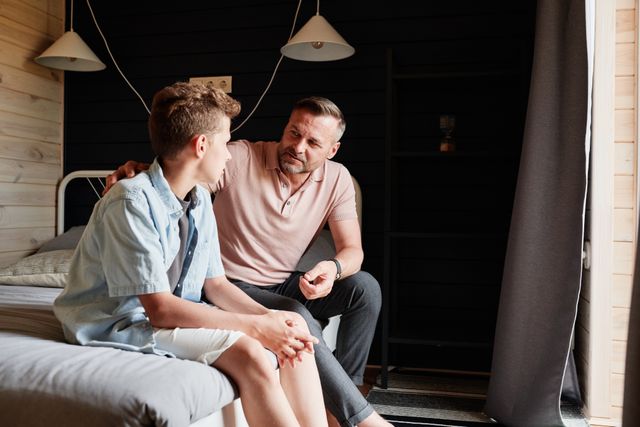

Many people living in rural areas of New Brunswick struggle to access psychological services close to home. In some communities, there may be very few psychologists available locally, long waitlists, limited treatment options, or significant travel distances required to attend in-person appointments.
For individuals experiencing anxiety, depression, OCD, trauma, burnout, stress, or relationship difficulties, this can make reaching out for support feel overwhelming or discouraging.
At the same time, many people wonder whether online therapy is actually as effective as in-person treatment. Some individuals worry virtual therapy may feel less personal or emotionally engaging than sitting with a therapist face-to-face.
Research and clinical experience increasingly suggest that online therapy can be highly effective for many mental health concerns when delivered thoughtfully by regulated healthcare professionals using evidence-based approaches.
This blog explains how online therapy works, what research says about effectiveness, and why many individuals living in rural New Brunswick are increasingly choosing virtual psychological services.

Is online therapy actually effective?
Yes. Research and clinical experience increasingly suggest that online therapy can be highly effective for many individuals and many types of mental health concerns.
Virtual therapy is now commonly used for:
- anxiety disorders
- depression
- obsessive-compulsive disorder (OCD)
- trauma and PTSD
- stress and burnout
- relationship concerns
- emotional regulation difficulties
- and many other mental health concerns
In many cases, the effectiveness of therapy depends less on whether sessions occur online or in person and more on:
- the quality of the therapeutic relationship
- the therapist’s training and approach
- whether treatment is evidence-based
- and how consistently individuals are able to engage in the process
In clinical practice, many individuals are initially surprised by how connected and engaged virtual therapy can feel once sessions begin.
Why are many people in rural New Brunswick choosing online therapy?
Many individuals living in rural New Brunswick seek online therapy because local access to psychologists and other mental health professionals may be limited.

For some people, accessing in-person care may involve:
- long travel distances
- weather-related challenges
- transportation difficulties
- limited appointment availability
- job-related limitations
- or waitlists that delay access to support
In some communities, individuals may also have difficulty finding local clinicians who work with concerns such as OCD, trauma, or more complex anxiety-related difficulties.
Online therapy can sometimes make psychological services more accessible for individuals living outside larger urban centres.
For many people, virtual therapy may also:
- reduce time spent travelling
- improve scheduling flexibility
- allow easier access to therapists across the province
- increase privacy
- increase comfort
- and reduce some of the practical barriers that can interfere with ongoing therapy
In practice, consistency often matters significantly in therapy. Reducing barriers to attendance may help some people engage in therapy more consistently over time.
Does online therapy feel less personal than in-person therapy?
Not necessarily. Many individuals are surprised that strong therapeutic connections and meaningful conversations can still develop through virtual therapy.
At first, some people worry that online therapy may feel:
- awkward
- emotionally distant
- impersonal
- more difficult to feel emotionally connected
In clinical practice, these concerns often lessen once therapy begins and individuals become more comfortable with the format.
Many people find that:
- seeing the same therapist consistently
- feeling understood and emotionally safe
- having space to talk openly
- and working collaboratively toward goals
matter much more than whether therapy occurs in an office or over secure video.
For some individuals, attending therapy from home may actually help them feel more comfortable discussing difficult emotions, intrusive thoughts, trauma, relationship concerns, or anxiety-related experiences.
Over time, many individuals begin focusing less on the online format itself and more on whether they feel emotionally understood, supported, and comfortable with their therapist.
What kinds of concerns may work well in online therapy?
Many individuals are surprised by how naturally certain mental health concerns can be explored through virtual therapy.
For some people, attending therapy from home may actually make it easier to discuss:
- anxiety
- intrusive thoughts
- relationship concerns
- stress and burnout
- perfectionism
- emotional overwhelm
- or difficult life experiences
In clinical practice, some individuals appear more comfortable opening up emotionally when participating in familiar environments rather than attending an unfamiliar office setting.
Virtual therapy may also allow conversations to occur more directly within the environments where difficulties are happening day to day. For example:
- anxiety may show up most strongly at home or work
- relationship stress may occur within family routines
- burnout may be closely connected to work-life balance
- and avoidance patterns often develop within everyday environments and responsibilities
For many individuals, the quality of the therapeutic relationship, consistency of support, and ability to engage openly in the therapy process often matter more than whether sessions occur virtually or in person.
Can online therapy work for teens, adults, individuals, and couples?
Yes. Online therapy can often be adapted effectively for teens, adults, individuals, couples, parents, and families, depending on the concerns being addressed and the goals of treatment.
Different individuals and relationship types may experience different advantages within virtual therapy.
For teens, participating from home may sometimes feel less intimidating and more familiar than attending an office setting, particularly during early sessions when trust and comfort are still developing. It may also be easier to attend after school if parents are unavailable to take them for in-person sessions.
For adults, virtual therapy may reduce practical barriers such as commuting, scheduling pressures, childcare coordination, or difficulty accessing local psychological services.
For couples and families, online therapy may sometimes allow greater scheduling flexibility and improve consistency of attendance when multiple people are involved in the therapy process.
In clinical practice, some individuals also find it easier to integrate therapy discussions, coping strategies, communication patterns, or behavioural changes more directly into everyday life when therapy occurs within familiar home-based environments.
Can online therapy sometimes make treatment easier to apply in real life?
Yes. In some situations, virtual therapy may actually allow therapeutic work to connect more directly to everyday environments and routines.
For individuals experiencing anxiety or OCD, treatment often involves understanding how symptoms show up within daily life rather than only discussing them abstractly in an office setting.
In clinical practice, virtual therapy can sometimes allow therapists and clients to work more directly with:
- avoidance patterns occurring at home
- anxiety related to work or school environments
- family or relationship stressors
- rituals connected to OCD symptoms
- or situations individuals encounter regularly in day-to-day life
For individuals receiving exposure and response prevention (ERP) for OCD or anxiety-related concerns, virtual therapy may also allow exposure work to occur more naturally within the environments where symptoms are actually happening.
In some situations, virtual therapy may allow therapeutic work to connect more directly to everyday environments and routines than may be possible within a traditional office setting.
How is privacy handled in online therapy?
Privacy and confidentiality are important parts of both online and in-person therapy.
Many individuals considering virtual therapy initially wonder:
- whether online sessions are secure
- who might have access to personal information
- whether therapy platforms are private
- or how to create confidentiality within their own home environment
In clinical practice, privacy concerns can feel especially important for individuals living in smaller or rural communities where accessing local services may feel more visible or less anonymous.
Regulated psychologists and other healthcare professionals providing online therapy are always expected to follow professional standards and ethical guidelines related to confidentiality, privacy, documentation, and secure communication.
Secure virtual therapy platforms are typically designed to support encrypted communication and the protection of personal health information. Clinics will also provide informed consent documents explaining:
- how privacy is handled
- what technology is being used
- how records are stored
- and what steps are taken to protect confidentiality
Questions about any of these topics can be asked when meeting with a new therapist.
Privacy within virtual therapy also involves practical considerations on the client side.
Many individuals find it helpful to:
- attend sessions from a quiet and private space
- use headphones when possible
- minimize interruptions during sessions
- and ensure they feel comfortable speaking openly within their environment
For some people, virtual therapy may actually feel more private than attending a local office in a small community where concerns about visibility or familiarity may exist.
What if I live in a small community and worry about being recognized?
For some individuals living in rural or smaller communities, concerns about privacy can extend beyond technology alone.
For some individuals, beginning therapy may also involve adjusting to the experience of speaking more openly about emotions, stressors, or personal experiences than they are used to discussing in everyday life.
Some people worry about:
- being seen entering a local office
- knowing mental health providers personally
- running into other clients in waiting rooms
- or feeling uncomfortable seeking therapy in communities where “everyone knows everyone”
In clinical practice, these concerns are often very understandable and may influence whether individuals feel comfortable reaching out for support at all.
For some people, online therapy may provide greater emotional privacy by allowing sessions to occur from home rather than requiring attendance at a local clinic within their immediate community.
At the same time, privacy at home can sometimes require planning as well, particularly in shared households or busy family environments.
Many individuals find it helpful to think ahead about:
- where sessions will occur
- whether headphones may help
- and how to create a space where they feel comfortable speaking openly and privately during therapy.
What should I look for in an online therapist?
Finding a therapist who feels like a good fit is often one of the most important parts of the therapy process.
When looking for an online therapist, it can be helpful to consider:
- whether the clinician is a regulated healthcare provider
- whether they clearly explain their treatment approach
- whether they use evidence-based therapies
- whether they appear collaborative and approachable
- and whether they have experience working with the concerns you are seeking support for
Many individuals also benefit from paying attention to whether they feel emotionally comfortable speaking with the therapist during an initial consultation or early sessions. Feeling understood, respected, and able to ask questions openly can become an important part of developing trust within therapy over time.
Some individuals also prefer therapists who:
- work virtually full-time
- offer therapy approaches that are grounded in research and tailored to the individual’s concerns and goals
- provide flexible scheduling
- or have experience working with individuals living in rural or underserved areas
In clinical practice, individuals often benefit most when therapy feels collaborative, respectful, and tailored to their specific concerns and goals.
What if I have never done therapy before?
Feeling unsure about starting therapy is extremely common, especially for individuals who have never spoken with a psychologist or therapist previously.
Many individuals also worry they may be judged, misunderstood, or expected to talk about difficult experiences before they feel ready.
Some people worry:
- they will not know what to say
- their concerns are “not serious enough”
- therapy will feel uncomfortable or emotionally intense
- or they may not connect well with the therapist
In practice, many individuals begin therapy feeling uncertain or nervous. Over time, many people become more comfortable as they better understand the process and begin building trust within the therapeutic relationship.
Good therapy is collaborative rather than judgmental or overly rigid. A thoughtful therapist should help individuals understand the process, answer questions openly, and move at a pace that feels manageable and supportive.
What should I expect during my first month of online therapy?
The first month of online therapy is often focused on building understanding, comfort, and a collaborative therapeutic relationship rather than trying to “fix” everything immediately.
Early sessions may involve:
- discussing current concerns and treatment goals
- exploring emotional patterns or stressors
- reviewing personal history
- identifying treatment priorities
- understanding the therapy model being used
- learning more about how concerns such as anxiety or OCD may operate and be maintained
- discussing why certain treatment strategies or exercises may be recommended
- and developing a shared understanding of what may be contributing to current difficulties
Some individuals begin feeling comfortable quickly, while others need more time before opening up fully in therapy. Both experiences are very normal.
In clinical practice, many people initially worry they will not know what to talk about or that therapy may feel awkward online. These concerns often lessen as sessions become more familiar and the therapeutic relationship develops over time.
Depending on the concerns being addressed, therapy may gradually involve:
- learning coping or emotional regulation strategies
- identifying behavioural or thinking patterns
- practicing communication skills
- exploring relationship dynamics
- or working toward specific treatment goals collaboratively
For many individuals, progress in therapy tends to occur gradually rather than all at once. Feeling understood, emotionally safe, and consistently supported often becomes an important foundation for meaningful therapeutic work over time.
Working on skills in between sessions is often an important part of therapy as well. This practice is discussed in session with your therapist to ensure you have all the skills to carry out the agreed-upon activities.
How do I find an online psychologist in New Brunswick?
Many individuals begin by searching for:
- online therapy in New Brunswick
- virtual psychologists in New Brunswick
- online CBT therapy
- virtual OCD therapy
- online therapy for anxiety or depression
- or psychologists providing services across Atlantic Canada
When exploring providers, it can be helpful to look for clinicians who:
- are regulated healthcare professionals
- clearly describe their services and treatment approaches
- explain how virtual therapy works
- and communicate thoughtfully and professionally about treatment
Forward Thinking Psychological Services® provides virtual psychological services across New Brunswick, Ontario, British Columbia, Alberta, Nova Scotia, and Quebec.
Many people also find it helpful to schedule a consultation to better understand:
- whether online therapy feels like a good fit
- how sessions are structured
- what treatment approaches may be recommended
- and whether the therapist feels like a good interpersonal match
Conclusion
Many individuals living in rural New Brunswick are now accessing psychological services through online therapy because local in-person options may be limited or difficult to access consistently.
Research and clinical experience increasingly suggest that virtual therapy can be highly effective for many mental health concerns when treatment is thoughtful, collaborative, and evidence-based.
For many people, the quality of the therapeutic relationship, consistency of care, and overall treatment approach matter far more than whether therapy occurs online or in person.
Working with a provider such as Forward Thinking Psychological Services® may help individuals better understand what treatment options are available and whether virtual therapy feels appropriate for their needs and goals.
If you are considering therapy, scheduling a consultation may help clarify whether online treatment feels like a comfortable and manageable next step moving forward.

FAQs:
DISCLAIMER: This content is meant for informational and educational purposes only. Only a licensed psychologist or psychiatrist can diagnose a mental health disorder. The content of this website is not meant to be a substitute for therapy. Visiting this website should not be considered to be equivalent to a relationship with FTPS. Mental health concerns should only be discussed in the context of providing professional services after the consent process has been completed with a qualified FTPS associate outside of our website.
Make FTPS a Google Preferred Source
If you found our blog helpful, you can ensure our latest evidence-based mental health insights, tools, and recovery strategies always appear at the top of your Google Search and AI Overviews.