

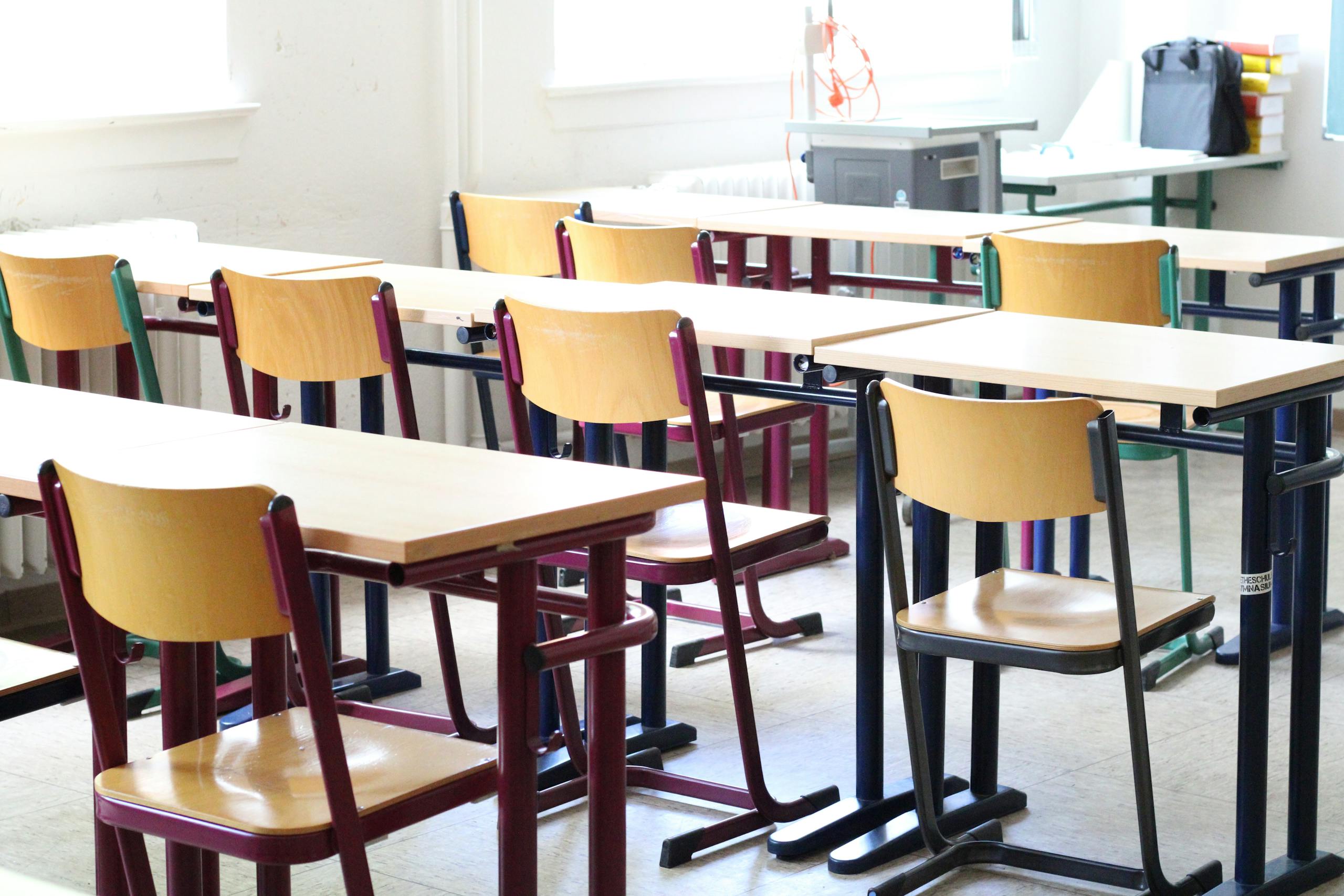
When a teenager refuses to go to school, it can quickly become one of the most stressful situations a family faces. Parents often find themselves asking difficult questions: Why does my teenager refuse to go to school? Is this normal teenage behaviour? Are they simply avoiding responsibilities? What can I do to ensure my teenager gets back to school?
In many cases, school refusal is not about laziness or defiance. Instead, it may reflect school refusal due to anxiety in teens, where overwhelming distress makes attending school feel impossible. Teenagers experiencing anxiety may genuinely want to attend school but feel physically and emotionally unable to do so. It can even be difficult for teenagers to express what they are feeling in these moments or what leads them to not be able to attend school regularly. School refusal is not a specific diagnosis, but can co-occur with other disorders that may receive a psychological diagnosis. This may include presentations involving symptoms such as low mood, social anxiety or panic attacks.
School refusal is complex and often misunderstood. Anxiety, social pressures, academic stress, or fear of embarrassment can all contribute. When these feelings build over time, avoiding school can become a coping strategy, even though it ultimately makes the problem worse. Avoidance can often lead to more avoidance, creating a cycle that can become increasingly difficult for families to interrupt. During these times, it may be helpful to seek out proper assessment and treatment. We will review these options in this post later on.
Understanding the difference between typical teenage resistance and anxiety-driven school refusal is an important first step. In clinical practice, it is common to see how quickly avoidance can develop once anxiety becomes associated with the school environment. When parents recognize what is really happening, they can respond in ways that support their teenager rather than unintentionally escalating the situation.
How school refusal can develop over time
For many teenagers, school refusal does not begin suddenly. Instead, it can develop gradually as anxiety, distress and overwhelm become associated with specific parts of the school experience. For example, a student might begin feeling anxious about a particular class, social situation, or academic expectation. Missing a day of school may temporarily reduce that anxiety, which can make staying home feel like relief. Of course, missing school occasionally for illness or other reasons is to be expected.
And many teens might “enjoy” a day off here and there. And that is definitely okay and to be expected. This may feel concerning for a parent, but important to realize that this is to be expected. However, when days are missed with increased frequency and teens are starting to adamantly refuse to even enter their school, it may signal a potentially larger issue. When parents start to notice these behaviours, it is important to speak with a physician or psychologist to understand what might be driving these behaviours. It might be hard for your teen to fully express why this ongoing refusal has completely set in.
When we work with individuals clinically, we know that avoidance can feel good on a short-term basis. I will often speak to people about this in my clinical practice. Avoidance allows for short-term gain but typically leaves us with long-term pain because it can become more and more difficult to re-engage with the situation that has been avoided.
In the situation of school refusal, this pattern of avoidance and anxiety about returning to school can increase, making it progressively harder for the teen to attend. Therefore, this cycle of anxiety, avoidance, and temporary relief is one of the reasons school refusal can become so persistent without support.
It is important for parents and teachers to understand this pattern and how skills and strategies should be used to address the underlying anxiety. Simply enforcing attendance will not solve the issues long-term. Returning to school requires a thorough understanding of why the issue might have started and what is maintaining it in the long term.

Physical symptoms that mask as “sick days”
One of the most confusing aspects of school refusal is that it often looks like a physical illness. At times teenagers experience physical symptoms of anxiety before school, making it difficult for parents to determine whether their child is genuinely sick or struggling with anxiety.
Since there is overlap in physical symptoms experienced due to anxiety and/or illness, it can be easy to assume that your teen may be experiencing a genuine physical illness but, in reality, something else might be driving those physical feelings. It is also important to be aware that your teen is truly experiencing the physical symptoms they are telling you about. However, the reason the symptoms are occurring in the case of school refusal is complex. It may be important to play some detective work regarding these physical symptoms and we always want to rule out medical reasons when individuals are not feeling well as a first step.
Common physical symptoms of anxiety before school
There are many common physical symptoms of anxiety that may emerge prior to school attendance. It can be helpful for parents to be aware of what this might look like in their teenager.
Common symptoms often may include:
- stomach aches
- nausea
- headaches
- dizziness
- fatigue
- muscle tension
Remember that while your teen truly feels unwell, they are not physically ill in the case of school refusal. Therefore, we want to ensure further assessment and understanding of what might be happening so treatment can be targeted properly.
Why symptoms often disappear when teens stay home
Parents frequently notice that these symptoms appear before school or on Sunday evenings, and improve once the teen is allowed to stay home.
For example, a teenager might report intense stomach pain each morning before school but feel much better later in the day. This pattern can make families wonder whether the symptoms are due to medical causes or, possibly, something else.
In most cases, the experienced symptoms are absolutely real. Teens are truly feeling these uncomfortable physical symptoms. Anxiety activates the body’s stress response system, which can create significant physical discomfort. Teen anxiety stomach aches before school are particularly common because the digestive system can be impacted by feelings of stress. Therefore, although the physical sensations are real in experience, they are not caused by a physical illness per se.
It is important to understand the important and complex relationship between our emotions and our expression of physical sensations. When the brain perceives school (or anything for that matter) as a threat, the body reacts accordingly. The result can look like repeated illness or “sick days,” when in fact the underlying issue is anxiety.
Recognizing this connection can help shift the conversation from questioning whether the symptoms are legitimate to understanding what your teenager may be experiencing emotionally. In this way, we can open up dialogue with our teens to ensure we are able to create a safe space for them to discuss what they are thinking and feeling and why school has become a place that triggers such strong negative emotions. This will start to pave the way to understanding how we can help ensure that returning to school becomes an eventuality.

The difference between avoidance and defiance
Another common challenge for families is distinguishing between typical teenage resistance types of behaviours (i.e., saying no, not wanting to engage in outings or activities, disengaging from previously enjoyed activities) and anxiety-based school refusal.
Understanding the difference between school refusal and defiance can dramatically change how the situation is approached. As a parent, you always want to try and ensure that you are understanding what is driving the behaviour and not just making assumptions. Of course, parents are not setting out to make assumptions. But we can all do this when we do not have all the information or believe the situation to be slightly different than it actually is. By understanding the complexities of school refusal, parents are able to address the situation in a more helpful way.
Why school refusal is often misunderstood
Defiance generally involves deliberate rule-breaking or testing boundaries. A teenager who is being defiant may argue, negotiate, or openly challenge authority.
School refusal, by contrast, is often driven by distress rather than opposition. This distinction is very important as we always want to ensure we are trying to understand what is driving the behaviour in the most representative way possible. Teens experiencing anxiety may express:
- fear of embarrassment
- fear of social judgment
- worry about academic failure
- intense discomfort in social settings
- fear of particular individuals at school, especially if any type of bullying has taken place
How anxiety-driven avoidance develops
Outwardly, teens experiencing school refusal may appear oppositional, but their behaviour is usually rooted in anxiety and overwhelm rather than defiance. In order to fully understand this, it is essential to pay attention to the different emotions that teens might be experiencing and how they describe the situation of missing school. For example, parents may notice that their teenager seems genuinely upset about the situation. They may be concerned about falling behind in their academics, or they may speak about missing their friends. Of course, they may also find relief in being home and away from situations that are causing them distress or overwhelm within the school environment. These are all understandable responses that your teen may express.
Therefore, this is certainly a complex situation that requires an in-depth assessment and understanding. It can help to observe how your teen is managing the situation to start to get a sense of what might be happening. Of course, working with a healthcare professional to fully understand what is happening may often be an part of working with your teen and helping them to get back to school.
Overall, in many of these cases, the issue is not simply school refusal vs teenage behaviour problems, but rather an anxiety response that has become increasingly difficult to manage.
Recognizing this distinction helps shift the focus from discipline to understanding what the teenager needs in order to re-engage with school. From there, help and dialogue become more possible and can allow your teen to understand what might be happening and how they can overcome these issues.
School refusal compared with typical teenage behaviour
It is important to reflect on differences observed when school refusal is in the picture compared to what we often see during “typical” teenage behaviour. Of course teens can (and do!) act in ways that are different from when they were younger. This is to be expected from a developmental perspective. Teens will often want to spend time on their own or with their friends and are more likely to say “no” to invitations and activities that they might have enjoyed with their parents previously. This is all part of growing up and asserting healthy boundaries and developing one’s autonomy and independence.
However, attending school is different because that is really not a behaviour that one can just opt out of. Being in school is an expectation at a certain age and often paves the way for teens to develop their career paths and fully launch into adulthood. As we know, it is not acceptable for a teen to just stop going to school. Therefore, although refusal of certain situations might have their place along a developmental landscape, school is one area in which we have to delve deeper should refusal be the automatic reaction.
It can be very difficult for parents to battle teens to try and get them to attend school when they do not want to. Of course it can be exhausting to have to argue with your teen every morning and potentially manage big emotions and extreme outbursts. In this way, allowing your teen to stay home can be a bit easier. It is understandable that parents may opt not to engage in continuous morning battles. However, over time the pattern of an outburst being met with being able to stay home can take hold and make it that much harder to break out of the cycle.
Here is a table to help parents understand examples of possible anxiety-based school refusal behaviours versus what might be observed during teen-defiant behaviours.
School Refusal vs Defiance
|
What is Observed |
School Refusal (Anxiety-Based) |
Defiance |
|---|---|---|
|
Emotional response |
Teen appears distressed or overwhelmed |
Teen may argue or challenge rules |
|
Outward Motivation |
Avoiding anxiety or perceived threat |
Challenging authority |
|
Physical symptoms |
Often present |
Usually absent |
|
Feelings about school |
Teen may wish they could attend |
Teen may show little concern |
Why punishing school refusal makes it worse
When school refusal becomes persistent, many parents understandably feel pressure to enforce consequences. It can seem logical that stricter rules or punishments will encourage a teenager to attend school. We see this often in our clinical practice as parents might feel they are at their “wits’ end” to try and get their child back to school. This is very understandable because parents want their teens to attend school. It can be very stressful for a family when a child is not attending school due to potential consequences and long- term impact.
How punishment can increase anxiety
However, why punishment does not work for school refusal often relates to the underlying role of anxiety. It is important to understand that punishment, in general, is not typically the most helpful behavioural management strategy. Punishment does not teach new skills nor does it enhance alternative and helpful ways of coping. Should a child put themselves in danger (i.e., run across the road without looking), punishment might have some type of role. But we still want to ensure that healthy strategies are learned and the importance of behaviour change is clear.
We do know that punishment tends to increase emotional distress, which can intensify the very anxiety that is preventing school attendance in the first place. Instead of motivating a return to school, it can deepen avoidance patterns.
Why consequences may reinforce avoidance
Therefore, it is important to recognize that even well-intended consequences may reinforce avoidance behaviours.
For example, a teenager who already feels overwhelmed by social anxiety or academic pressure may experience additional fear when punishment is introduced. This can make the school environment feel even more threatening. Thus, the school environment may already have been triggering emotional fear and threat that then becomes compounded by the use of punishment. This could result in further increased anxiety. Although the intention from parents would always be for positive behaviour change, punishment can unfortunately reinforce avoidance behaviours.
It is also important to note that we don’t want to make staying home become too easy or enjoyable an option. So while it is not about punishing teens if they avoid school, it is also not about allowing home to become an option that is much more enjoyable and pleasurable. This can also make it harder to re-engage with the motivation to go back to school given that the initial steps needed to go back might be more challenging.
Therefore, in summary, when conflict around school becomes intense, teens may associate school attendance with emotional turmoil at home as well as stress at school. This is not usually the best way to help your teen get back into being present at school and often would not motivate them to take the needed steps to get back into routine.
Supportive Ways Parents Can Respond Instead
There are ways in which parents can respond that are helpful and it is important to reflect on how structure and expectations continue to be important for teens. Clear routines and consistent expectations can be beneficial as they allow for predictability which can help teens manage anxiety and distress . This is true within the school environment as well as within the home environment.
When parents begin to understand more helpful ways to respond to school refusal, they can focus on reducing anxiety and supporting gradual re-engagement rather than escalating the struggle. We will now turn to some helpful strategies that parents can start to understand in the context of ongoing school refusal in their teenager.
When to Consider Seeking Support for School Refusal
Parents may want to consider seeking professional support if:
REMEMBER: Early support can help interrupt the cycle of anxiety and avoidance before it becomes more entrenched and harder to shift.
Gradual exposure strategies that Actually Work with teenagers
Although school refusal can feel overwhelming for families, gradual and supportive approaches can be very effective. Evidence has shown that when anxiety is addressed in a step-by-step way, many teenagers are able to rebuild confidence and return to school over time.
It is important to remember that helping a teenager return to school rarely happens overnight. As described, it has taken some time for these behaviours and thoughts to become solidified. Therefore, it will also take time to unwind the cycle and ensure support is in place for healthier responses to take place. In practice, the most successful approaches involve gradual steps that rebuild confidence over time. And it is important for parents to have compassion for both themselves and their loved ones as they work towards school re-entry and addressing the underlying causes.
We will outline the way in which evidence-based treatments such as cognitive-behavioural therapy-based gradual exposure work can start to provide families with the skills and strategies they need to start to re-engage with the school environment.
Why gradual exposure helps reduce anxiety
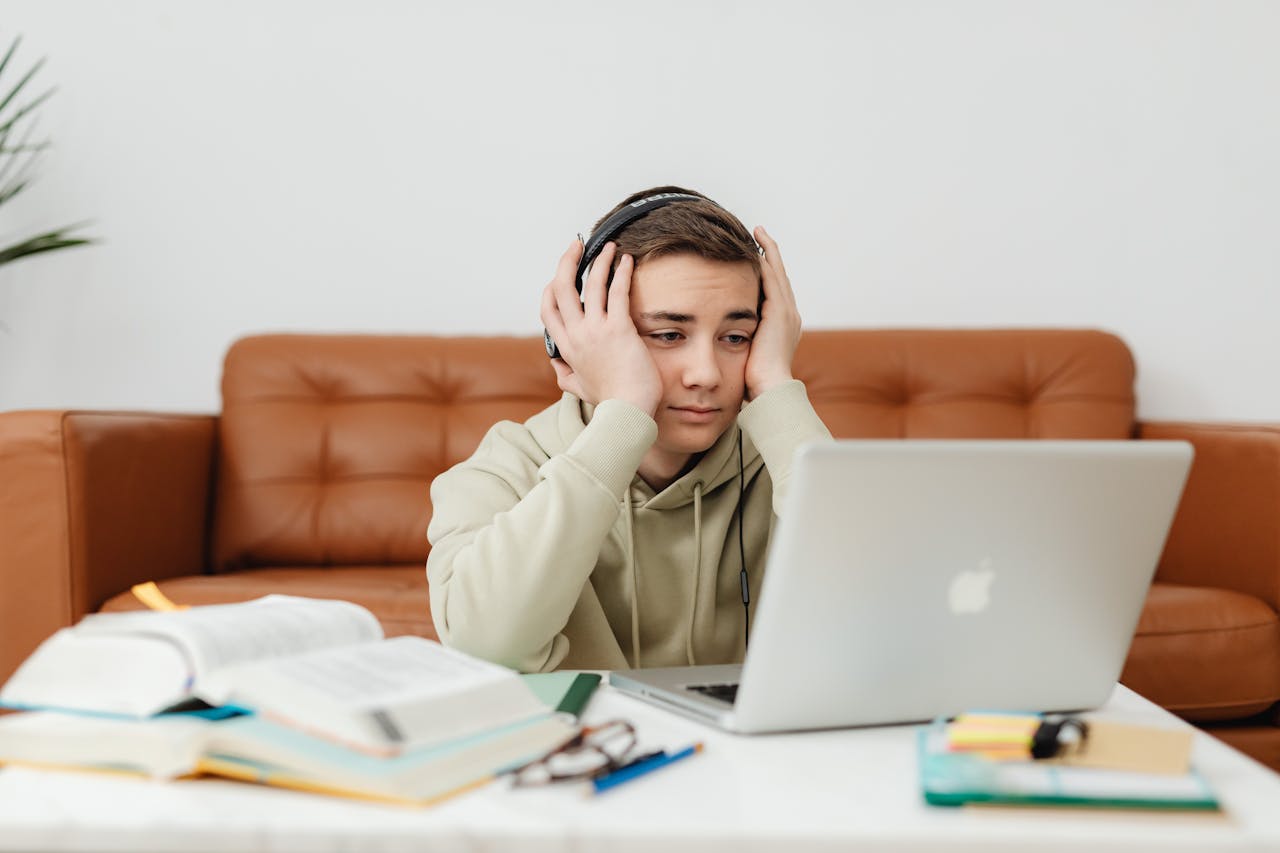
When a teenager avoids school because of anxiety, the short-term relief from staying home can reinforce the cycle of avoidance. Gradual exposure helps interrupt this cycle by slowly reintroducing situations that feel manageable. Many teenagers find that when exposure is approached in a gradual manner it can decrease the overwhelm experienced when thinking about heading back to school.
Exposure strategies typically involve supporting an individual to begin to face things that they have been avoiding in small, gradual steps. Some mental health issues may respond with exposure that is not always gradual but can follow a different type of trajectory. However, there are many instances in which people may prefer a gradual approach so they can build their confidence over time as they begin to decrease their avoidance behaviours.
This is where gradual exposure for school refusal becomes important. Exposure strategies involve helping teens face anxiety-provoking situations in manageable stages rather than avoiding them entirely.
Examples of gradual return-to-school steps
There are different ways in which gradual exposure might be conducted. Examples of gradual exposure might include:
- visiting the school grounds and spending time outside the building prior to re-entering the facility again
- visiting the school building after hours (i.e., before or after school or on weekends when the building is quieter)
- attending one class per day initially and gradually building up from there
- meeting with a supportive teacher or counselor prior to the first class of the day
- having a quiet space within the school that can be used for breaks as needed
- gradually increasing time spent at school to increase distress tolerance when in the school environment
- arranging to meet a close friend and walk into the school and classroom together
These steps allow the individual to experience the school environment without becoming overwhelmed. By allowing for a gradual return to school routines, anxiety can often be addressed and managed. Teens can learn skills to tolerate the distress they may experience as well address difficult thoughts and feelings that emerge when exposure strategies are implemented. Over time, repeated exposure helps people learn that the situation is manageable and they can cope in the face of any challenges that are experienced.
Gradual exposure also allows teens to regain a sense of control. Instead of being forced into an all-or-nothing situation, they can work toward full attendance at a pace that feels achievable. As described, bringing in support along the way might also be a helpful step towards entering back into school.

How therapy supports exposure and confidence-building
For many families, professional support can make this process easier. Therapy strategies for teen school anxiety, including exposure-based approaches, help teenagers develop coping skills while gradually reducing avoidance.
In therapy, exposure work is carefully planned and supported, as described above. Teens learn how to tolerate anxiety, reframe fearful thoughts, and build confidence through repeated experiences of success.
Over time, these strategies can significantly reduce avoidance and help teens re-engage with school in a more sustainable way.
The following imaginary clinical vignette illustrates how school refusal can develop and what families might experience when this happens. It is based on years of Dr. Taube-Schiff’s clinical experience, but in no way resembles any actual clients seen. It is purely fictional.
John is a 15-year-old teenager who begins feeling increasingly anxious about attending school. On Monday mornings, he will often tell his parents that he is experiencing a stomach ache or headache and it would be far too difficult for him to attend school. However, he will not endorse these symptoms over the weekend.
His parents do not initially understand why John does not always want to go to school and wonder whether he has lost interest in school or is “lazy” and does not want to go. John initially is able to identify particular situations that likely account for his anxiety. These include an upcoming presentation, a challenging class, or worries about social interactions. John is able to identify these situations internally but does not readily share them with his parents.
Every time his parents let him stay home from school, he experiences a great deal of relief. He has started to cry and scream when his parents suggest that he might try going to school. Home starts to feel like the one safe place he can rely on, whereas school becomes associated with fear and distress. The more times he is able to stay home, the worse it becomes when he ever starts to think about going back to school. His parents decide it is time to speak to their family doctor, who refers the family to a psychologist.
The psychologist conducts a thorough assessment and works with the family to help them all understand the importance of the avoidance cycle and the relief John experiences every time his parents let him stay home. The family learns that over time, the brain begins to associate school with distress and home with safety. Therefore, returning to school can start to feel increasingly overwhelming, and mornings may become more stressful for everyone involved.
The psychologist proposed evidence-based gradual exposure strategies that everyone can work on together. John also works with his psychologist to be able to identify specific sources of his anxiety, understand his cognitions and start to reframe these thoughts and rebuild his confidence. Over time, John is able to return to school, and his parents learn helpful, supportive strategies that also decrease their frustration and feelings of helplessness.
Supporting a teenager through school refusal
As we have discussed in this post, school refusal can be frightening and frustrating for families, but there are also ways to better understand this behaviour and receive helpful treatment for your teen and your family. When anxiety and distress are recognized early and addressed with appropriate support, many teenagers are able to return to school and regain confidence in their ability to cope with challenging situations. This can help them with respect to stress and challenges at school as well as within other areas of their lives.
Parents play an important role in this process. It is understandable how difficult and, over time, frustrating this situation may become. With the right support, parents can respond with patience, structure, and understanding. Of course this can take time and support might also be helpful for parents to receive. School refusal is difficult for both parents and teens alike and it is important to recognize that. However, rather than interpreting avoidance as laziness, it is essential to begin to recognize the emotional difficulty behind school refusal. When this happens, we can open the door to more effective solutions.
Understanding how to help a teenager with school refusal often begins with listening, validating concerns, and working collaboratively toward gradual progress. This is a tough time for everyone, but there are ways to understand and support families through this process.
Next Steps for Families
If your teenager is experiencing ongoing anxiety and distress about attending school, you do not have to navigate this situation alone. School refusal can feel overwhelming for families, particularly when anxiety makes it difficult for a teenager to return to school despite wanting to.
At Forward Thinking Psychological Services®, we work with teenagers and families to understand the underlying causes of school refusal and develop supportive strategies that help teens gradually rebuild confidence in returning to school. Our clinicians provide online therapy services, allowing families across Ontario, British Columbia, New Brunswick, Nova Scotia, and Quebec to access support from home. You can learn more about our teen therapy services or online therapy options if you are wondering whether professional support might be helpful.
References
Punishment Doesn’t Work | Psychology Today Canada
When Kids Refuse to Go to School – Child Mind Institute
FAQs Parents Often Ask About School Refusal
DISCLAIMER: This content is meant for informational and educational purposes only. Only a licensed psychologist or psychiatrist can diagnose a mental health disorder. The content of this website is not meant to be a substitute for therapy. Visiting this website should not be considered to be equivalent to a relationship with FTPS. Mental health concerns should only be discussed in the context of providing professional services after the consent process has been completed with a qualified FTPS associate outside of our website.
Make FTPS a Google Preferred Source
If you found our blog helpful, you can ensure our latest evidence-based mental health insights, tools, and recovery strategies always appear at the top of your Google Search and AI Overviews.